
FREE first class delivery to all UK addresses

Explore the world with Cicerone

Cicerone are publishers of over 250 award-winning guidebooks for walking, trekking, climbing and mountaineering, cycle touring and hill and mountain skills. We provide inspiration, and excellent information for you to enjoy your next adventure! More »
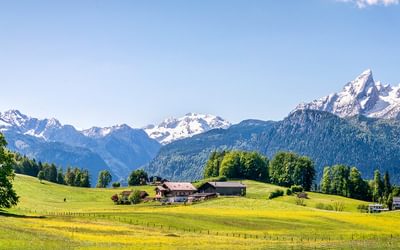
Walking in the North Pennines
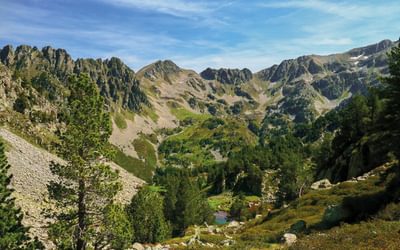
The Pyrenean Haute Route
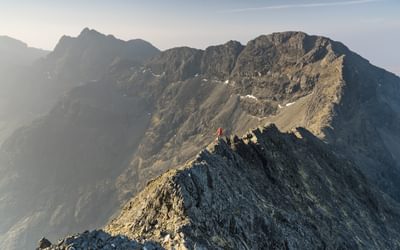
The Isle of Skye
Latest Guide Books
Coming Soon

Cicerone celebrate 40 year anniversary!

WIN 40 CICERONE GUIDEBOOKS!

That's enough to keep you busy on the hills for some time!

We want to celebrate our 40 year anniversary with all our guidebook users, whether you are one of our regular customers, or have just started your collection of Cicerone guides.

Every time you place an order directly with Cicerone between now and December, either on this website, or directly to either the Cicerone office or Booksource, you will have an automatic entry to win our amazing prize, which will be drawn in early December.

There will be more offers and competitions announced shortly, so keep checking the website, or simply sign up for our monthly e-newsletter below for regular updates!

It's time to plan your next active holiday!

CairnAre you new to walking, or in need of some ideas for walking in Britain? Read our Just starting out article.

Are you planning to walk or trek overseas this year? Take a look at our European trekking ideas

Thinking of trying cycle-touring this year? Find out what it's really like in these articles about Cycle-Touring in France, Cycling the Canal du Midi (France), or Cycle-Touring in Switzerland.

Late snow in the Alps

The last winter has seen a high level of snowfall across the Alps. There are reports of significant snow in many alpine regions, including the Dolomites, Bernese Oberland and the Maritime Alps (from which Lesley and I have just returned after a quick week's trekking - in advance of Gillian Price's Maritime Alps guide to be published next year). vallae-de-merveilles-20-june-2009sThis is about 50km north of Nice, quite a long way south, and there was an impressive amount of snow, including for example a stretch of 2-3 km in the Vallée de Merveilles (see photos). We have also heard of via Ferrata cables buried in the Dolomites for example. Many people have taken up trekking over recent years, but not many will have seen these amounts of snow. So, what advice can we give? Its possible, although unlikely, that it may make some routes pretty much impassable in the first half of July. For example, in the south we found that the snowfall had made the GR5 route via the Refuge de Nice un-doable. This is also at least partly a consequence of the Nice hut being closed and double staging it being a 10-12 hour trip, but the highest and hardest cols in this region last week probably needed full mountaineering kit including a rope. If you are going high (above say 2500m) and may expect to meet hard nevé, consider taking an ice axe. It may not be needed, but modern walking axes can be very light and sure add a strange kudos when you walk the streets of Nice or Verona (and gets your correctly dressed in Chamonix!). You may find crampons of more use, particularly when used in conjunction with trekking poles. We wore them for several hours one day. Strictly they probably weren't needed but they were very reassuring. Full crampons are a bit heavy to carry, but when you need them, boy do you need them, and only they will do the job. Next, if you expect to meet a great deal of soft snow then consider gaiters. In terms of packing a trekking sack they weigh an alarming amount, but they contribute greatly to keeping boots dry, always a sound idea. Always be careful near rocks, where snow melts much faster.deep-snow-vallae-de-merveilles-sm What about a rope? Well our decision was that at this point you are heading in to a mountaineering trip and that wasn't what we were there for. So we left it behind. This limited what we could do only very slightly. If you are going to take a rope, be sure you are fully experienced with it. To get further information there are several routes. Try official weather forecasts. For example http://france.meteofrance.com/ has mountain forecasts and in these you will find snow height charts that give some guidance. Also don't be shy about calling a high hut where you may have particular concerns and asking them how things are. Most guardians will be be very helpful. Next, if you can't get through there is nearly always another way round. It might take some hours even a day but there is generally a way to find a lower route. This is bound to alter your plans a bit, so always allow enough time in your trip to cover this possibility and avoid putting yourself under pressure that may lead to wrong decisions. traversing-snowslopesLastly fear. Often the problems will be short but may involve traversing a high slope at a steep angle. Fear is real, it has a purpose so don't ignore it, especially in less experienced members of your party. But don't let it rule them (or you). Often a break and some logical thought will show that it can be done. These are a few thoughts on how to approach the problem of last lying snow. Take your time, gather information, think clearly, recognise real danger when its there and be sure to enjoy the trek. Remember that the mountain will still be there tomorrow, so be sure that you are. Jonathan Williams, Milnthorpe, 30 June 2009

AddThis Feed Button
Subscribe to the Cicerone Blog
 
Site by OUTSRC